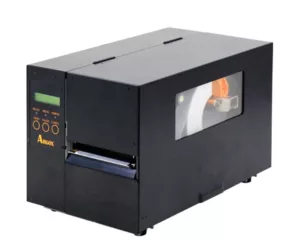
If your business handles logistics, retail, or inventory management, finding an efficient and cost-effective labeling solution is critical. One of the most popular technologies on the market today is the direct thermal label printers.
But what exactly is direct thermal printing, how does it work, and is it the right choice for your specific business operations? This comprehensive guide breaks down the technology, core applications, and clear advantages of using direct thermal printers.

What is a Direct Thermal Label Printer?
A direct thermal label printer is a specialized printing device that utilizes heat-sensitive media (labels or paper) to create images, text, and barcodes.
Unlike traditional inkjet or laser printers, direct thermal printers do not use ink, toner, or thermal ribbons. Instead, the printer contains a thermal printhead. When specific elements of the printhead heat up, they press against the chemically treated thermal paper, causing a reaction that turns the paper black in those exact spots.
Direct Thermal vs. Thermal Transfer: While both use heat, thermal transfer printers require a carbon ribbon that melts onto the label to form a permanent image. Direct thermal eliminates the ribbon entirely, applying heat directly to the label roll.
Key Advantages of Direct Thermal Label Printers
Why do so many high-volume industries choose direct thermal technology? The benefits center heavily around cost, simplicity, and speed.
- Zero Ink, Toner, or Ribbon Costs: Because the technology relies entirely on heat-sensitive paper, your only ongoing material cost is the label rolls themselves.
- Minimal Maintenance & High Reliability: With no moving ribbons to tangle and fewer mechanical parts than traditional printers, direct thermal printers experience very little downtime and rarely jam.
- Compact, Space-Saving Footprints: Because they don’t need to house bulky toner cartridges or ribbon spindles, desktop direct thermal printers take up minimal desk or warehouse space.
- High-Speed Printing: Direct thermal printheads react instantaneously, making them capable of churning out hundreds of shipping or barcode labels per minute.
- Crisp Barcode Legibility: The precise application of heat ensures sharp edges on high-density barcodes, reducing scanning errors in automated warehouses.
Common Uses and Applications
Direct thermal labels are ideally suited for short-to-medium lifecycle applications where labels will not be exposed to extreme heat, prolonged direct sunlight, or harsh chemicals.
1. E-commerce & Shipping Labels
The most widespread use of direct thermal printers is generating standard 4×6 shipping labels for carriers like FedEx, UPS, USPS, and DHL. Because a shipping label only needs to remain legible for days or weeks while in transit, direct thermal is the most economical choice.
2. Warehousing & Inventory Management
Distribution centers use these printers to quickly generate bin locations, pallet labels, and product identification tags. They allow workers to print labels on demand at mobile workstations.
3. Retail & Point of Sale (POS)
Every time you receive a grocery or restaurant receipt, you are looking at direct thermal printing. Retailers also use them for quick price markdown stickers, shelf edge labels, and return tags.
4. Healthcare & Patient Tracking
Hospitals and laboratories rely on compact direct thermal printers to print patient wristbands, specimen sample labels, and prescription pharmacy labels on the spot, ensuring accurate identification.
Quick Comparison: Is Direct Thermal Right For You?
| Feature | Direct Thermal Printing | Thermal Transfer Printing |
| Consumables Needed | Only Thermal Labels | Labels + Carbon Ribbon |
| Image Longevity | Temporary (Fades over months/years) | Long-Term / Permanent |
| Best Environmental Use | Indoor, stable temperatures | Outdoor, harsh environments, high heat |
| Primary Use Cases | Shipping, Receipts, Visitor Badges | Asset Tracking, Product Branding, Outdoor Tags |
Summary: Should You Buy a Direct Thermal Printer?
If your primary goal is to print shipping labels, barcodes, receipt papers, or temporary visitor badges, a direct thermal printer is easily your best ROI. It streamlines your workflow, completely cuts out the cost of ink and ribbons, and keeps your warehouse or back-office running fast with minimal maintenance.